
Programs Overview
Army Nursing
AU Army ROTC provides scholarship opportunities, leadership training, upper division placement, and a future career to college nursing students. Students may enroll as a freshman, sophomore, or as late as their junior year in college. Upon successful completion of the program, students are commissioned as officers in the Army Nurse Corps, and serve as nurses at military hospitals and medical facilities in the active Army and the Army Reserves.
Cyber Sciences
AU Army ROTC provides scholarship opportunities, leadership training, upper division placement, and a future career to College of Science and Mathematics and School of Computer and Cyber Sciences students. Students may enroll as a freshman, sophomore, or as late as their junior year in college. Upon successful completion of the program, students have the opportunity to be commissioned as officers and serve Cyber Command in the active Army and the Army Reserves.
Green-to-Gold
The Green to Gold Active Duty Option Program is a two-year program that provides eligible, Active Duty enlisted Soldiers an opportunity to complete a baccalaureate degree or a two-year graduate degree and earn a commission as an Army Officer. This program is a designed opportunity for Soldiers to transition into the officer corps while securing a bachelor's degree from the college of their choice.

Carla Philpot
- BA in Criminal Justice '20
- The Green-to-Gold program. has given me the opportunity to continue to serve my country as an active duty soldiers as I worked toward the goal of becoming a US Army Officer.
Simultaneous Membership Program (SMP)
The Simultaneous Membership Program allows you to attend Army ROTC and serve in the U.S. Army Reserve or Army National Guard at the same time. It gives you an opportunity for additional training and experience. Cadets serve as Officer trainees in the Reserve or National Guard while completing college. You can earn Reserve/Guard pay and benefits in addition to your Army ROTC allowances.
SMP Program Highlight:
 Jason Nistler
BA, Psychology
Expected Graduation: 2029
Simultaneous Membership Program (SMP), GSU Detachment Cadet, Jaguar Battalion
Why did you choose SMP? Nistler originally became interested in the Army National Guard as a way to begin gaining military experience while still in college. As he learned more about Army ROTC and the Simultaneous Membership Program, he decided to continue because of the opportunity to gain additional military experience while working toward commissioning as an Army officer.
What is it like balancing college, ROTC, and SMP? Balancing academics, ROTC, physical training, and military responsibilities can be demanding. Nistler experienced that firsthand during his first year, when a heavy academic schedule required him to manage late classes alongside early-morning ROTC training. After adjusting his academic path and learning how to better manage his responsibilities, he found the balance much more manageable. “ROTC is not like other classes, but it can be managed.”
What has been the biggest benefit of SMP? One of the biggest benefits for Nistler has been the opportunity to gain experience outside of his normal ROTC environment. Training with another detachment and participating in unit activities have exposed him to different approaches to military training and leadership. He believes those experiences help prepare him for future ROTC requirements, including Cadet Summer Training. SMP has also provided an opportunity to build relationships with other Soldiers and cadets while gaining practical military experience.
How is SMP preparing you for the future? Nistler plans to pursue a long-term career in the military while also building a family and maintaining a life outside of military service. For him, ROTC and SMP provide a way to work toward both goals at the same time—continuing his education, gaining military experience, and preparing to commission as an Army officer.
Advice for Students Considering SMP: “Understand that you are making a commitment to military service. Everyone's experience will be different, and there will be challenges along the way, but I believe it is worth it.” Nistler encourages students considering SMP to understand the commitment involved, remain flexible, and take advantage of the different experiences available through both ROTC and their military unit.
Cyber Sciences Spotlight
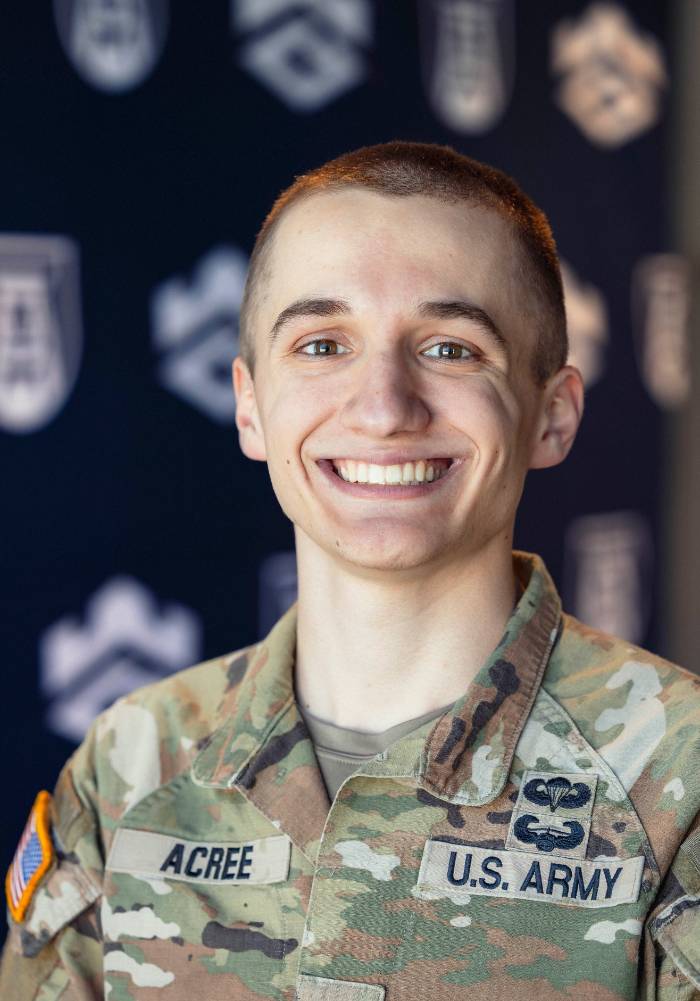 Caleb E. Acree
Bachelor of Science, Computer Science and Cyber Defender Certificate graduate, Class of 2026
Honors Program Graduate, Army ROTC Scholarship recipient
2nd Lieutenant, U.S. Army Cyber
Why Army ROTC and Cyber? Acree comes from a family with a long history of military service. Army ROTC at Augusta University gave him the opportunity to earn his degree on scholarship while preparing to serve as an Army officer. He was drawn to the Cyber branch because of the strong demand for computer science and cybersecurity skills across both government and the private sector.
The Jaguar Battalion Experience: Acree describes his experience with Augusta University Army ROTC as challenging but rewarding. Through the program, he also had the opportunity to attend both Air Assault School and Airborne School, adding to his military training and professional development.
Preparing for a Career in Army Cyber: Army ROTC helped Acree strengthen his time-management skills and taught him how to work with and lead his peers. Combined with his academic studies in computer science and specialized training opportunities, his ROTC experience helped prepare him for service as an Army Cyber officer.
Advice for Future Cyber Cadets: “It isn't an easy path. Expect late nights studying and preparing for exams and field training, so time management matters most. However, the rewards outweigh the negatives and make it all worth it.”
Nursing Spotlight:
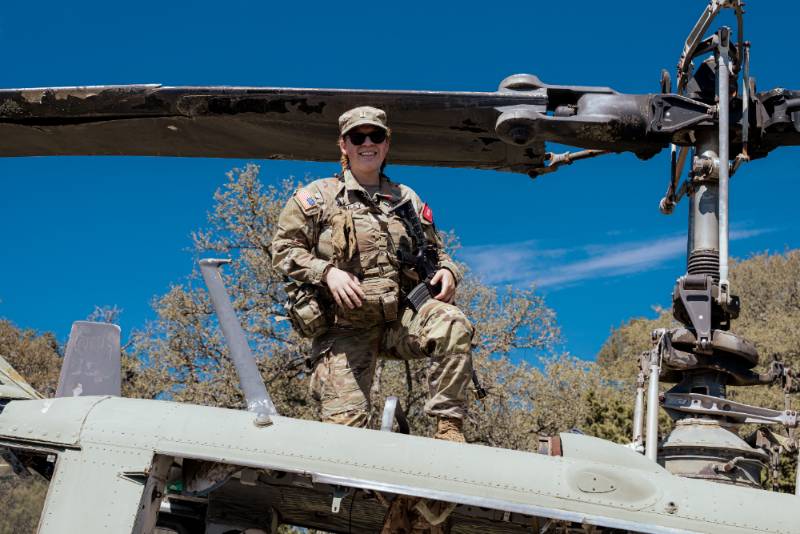 Audrey P. Bailey, BSN, RN
Class of 2026 graduate, Nursing; Minor in Military Science
Second Lieutenant, U.S. Army Nurse Corps
Why Augusta University Army ROTC? Bailey chose Augusta University because it allowed her to focus on becoming a nurse while also developing as a future Army officer. “I wanted the ability to be a regular college student and focus on my classes while still having the leadership development opportunities that ROTC offered. I specifically chose AU because I knew that, as a nursing major, AU offered me the best possible combination of these things.”
The Jaguar Battalion Experience: Bailey describes her Army ROTC experience as challenging at times, but ultimately very rewarding. As she progressed through the nursing program, balancing the responsibilities of being both a nursing student and an Army ROTC cadet became increasingly demanding. She credits the resiliency skills she developed through ROTC, along with maintaining open communication with cadre and leadership, with helping her successfully manage those responsibilities.
Preparing for the Army Nurse Corps: Her experience at Augusta University and in Army ROTC helped prepare Bailey for the responsibilities she now carries as an Army Nurse Corps officer. “ROTC helped me learn early on the balance of being a soldier first, then an officer, and then a nurse. I learned what it means to make tactically sound decisions, which is very handy when making clinical decisions in nursing as well.”
Advice for Future Nursing Cadets: Bailey’s advice to students considering the same path centers on one thing: communication. “No matter what, communicate—with cadre, student leadership, and your peers. The friendships and connections you make in ROTC will follow you through your entire career, especially in the medical field.”