
Project 1
Role of Cu Transporter in EC Metabolism, ROS, & Atherosclerosis
Overall Goal
Project 1 is to demonstrate that disturbed regulation of copper (Cu) metabolism drives endothelial dysfunction via excessive PFKFB3-driven glycolysis and mitochondrial ROS production in inflamed ECs, which in turn accelerates atherosclerosis.
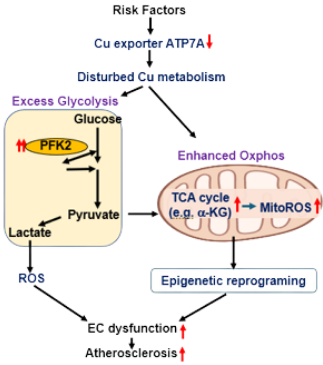
The figure demonstrates that disturbed Cu metabolism induced by endothelial ATP7A downregulation drives EC dysfunction by orchestrating the excessive glycolysis-ROS axis as well as OXPHOS-epigenetic reprogramming, which in turn accelerates atherosclerosis.
Central Hypothesis
Cu is an essential micronutrient, and its metabolism has long been known to mediate the interplay between the two energy-producing pathways, mitochondrial respiration and glycolysis. In aerobic organisms, a relationship between ROS and glycolysis has been suggested. However, mechanistic links between ROS, glycolysis, and Cu metabolism and their role in cardiovascular disease are entirely unknown. Preliminary data support the hypothesis that disturbed endothelial Cu metabolism (i.e. excessive accumulation of intracellular Cu) due to Cu exporter ATP7A dysfunction in inflamed ECs promotes endothelial to mesenchymal transition (EndMT)(loss of endothelial phenotype and acquisition of a mesenchymal phenotype) via excessive glycolysis and mitochondrial OXPHOS metabolism.
Lead Bio
Dr. Tohru Fukai is the Barbara Schnuck Professor of Pharmacology & Toxicology in the Vascular Biology Center at the Medical College of Georgia at Augusta University. He is a leading expert in the role of oxidative stress, antioxidant enzymes (copper (Cu) containing enzyme, extracellular SOD (ecSOD) & Cu transport proteins, key regulators of Cu metabolism & enzymes in vascular disease over the past twenty years. His laboratory has provided the first evidence that vascular Cu transport proteins such as “Cu transporting ATPase” (ATP7A), function to protect against endothelial dysfunction & hypertension by regulating the activity of ecSOD, which preserves NO bioavailability by scavenging its biological antagonist, superoxide. He also found that the Cu exporter, ATP7A, is downregulated in diabetic blood vessels, which contributes to endothelial dysfunction. In preliminary studies, he has found that ATP7A is downregulated in inflamed ECs which promotes glycolysis by upregulating PFKFB3 as well as mitochondrial ROS, which may contribute to EndoMT & atherosclerosis in a Cu-dependent manner. These studies will be carried out in collaboration with Drs. Ushio-Fukai (Co-Investigator, Co-I) (expert on mitochondrial ROS & redox signaling) & Yuqing Huo (Co-I) (expert on PFKFB3-dependent EC metabolism & atherosclerosis). In the context of the proposed program, He will study the role of Cu transporter ATP7A in EC metabolism, oxidative stress & atherosclerosis. He will serve as the PPG Director (Contact), Project 1 Leader, & Director of Core A, the Administrative Core.
Project 1 Team
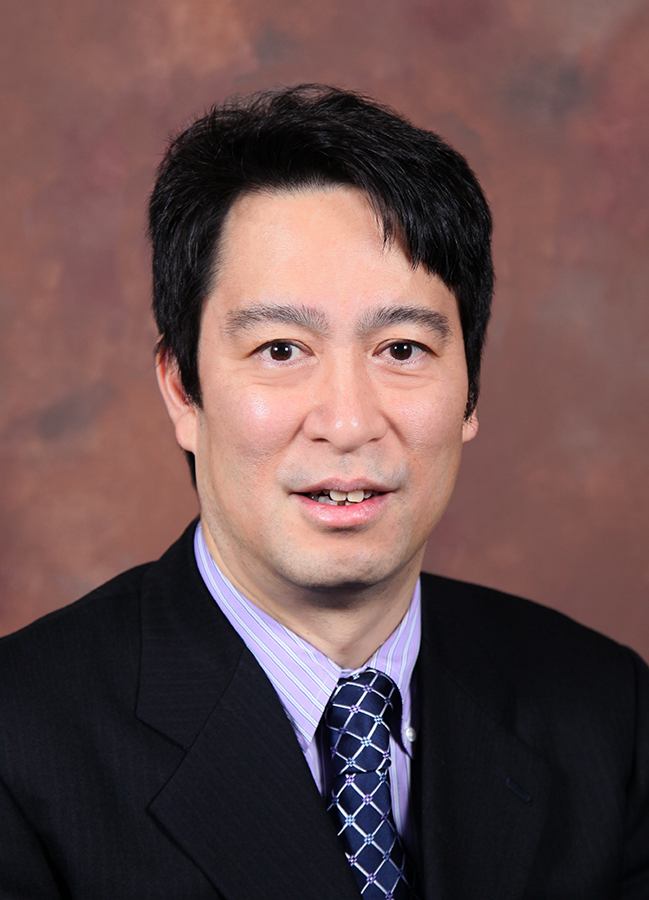
Tohru Fukai
- Project Lead

Masuko Ushio-Fukai
- Co-Investigator
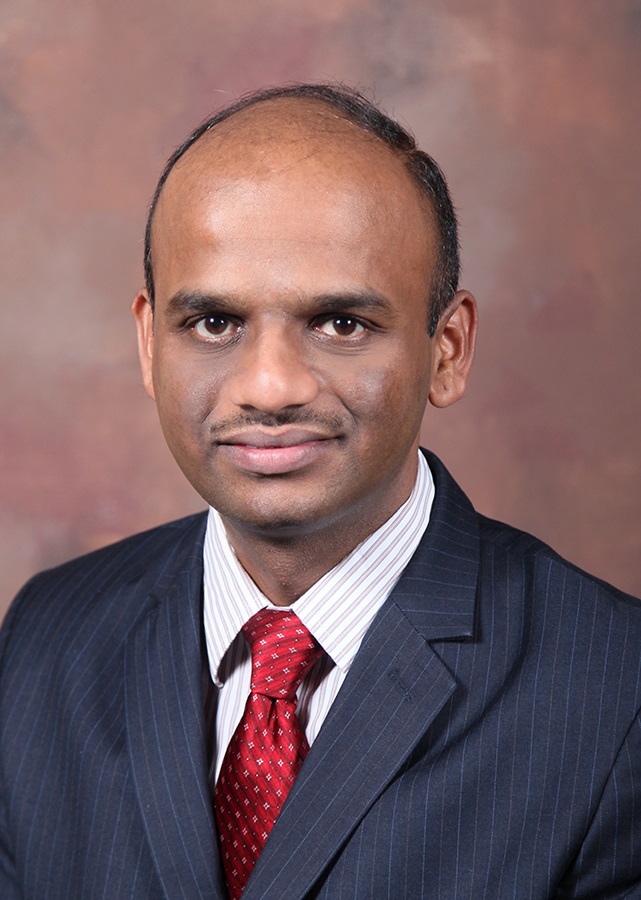
Sudhahar Varadarajan
- Research Associate
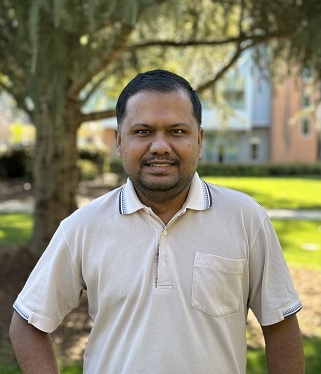
Md. Selim Hossain, PhD
- Postdoc Fellow
Archita Das
- Research Scientist
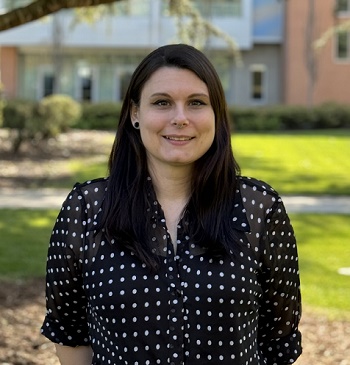
Stephanie Spears
- Lab Manager
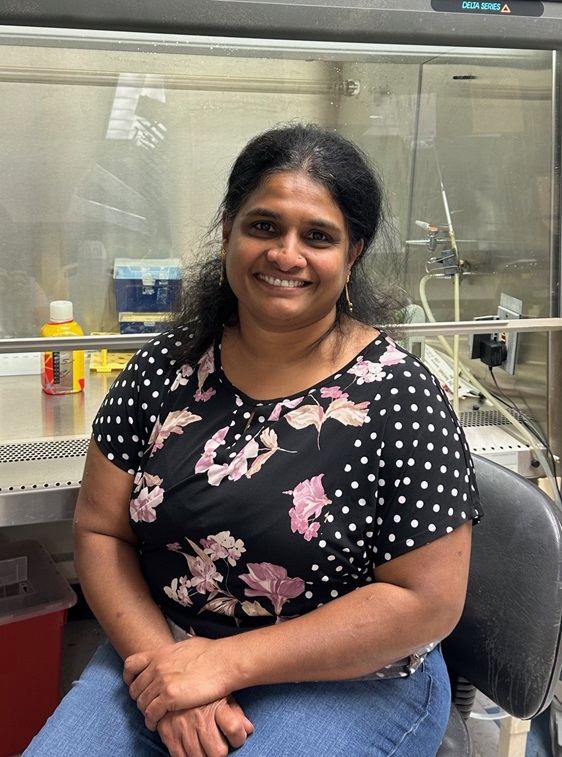
Karmegam Rajalakshmi
- Sr Research Associate
Dipankar Ash
- Assistant Research Scientist