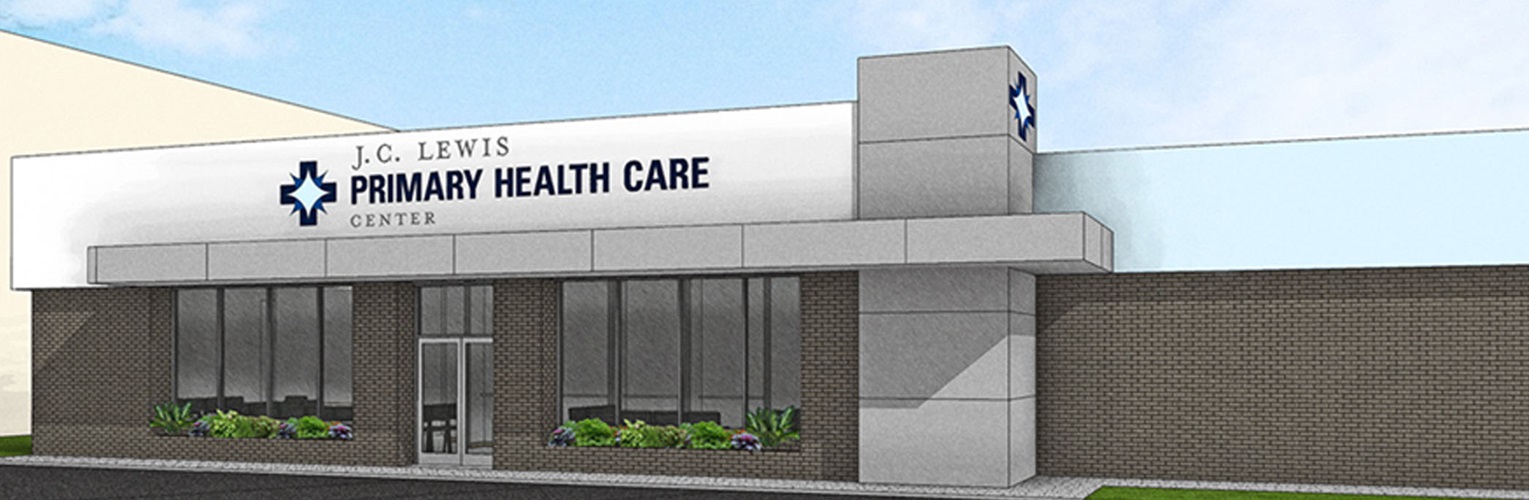
J.C. Lewis Primary Health Care Center
The J. C. Lewis Primary Health Care Center (JCLPHCC) in Savannah, Georgia, has a history of serving the city's most vulnerable populations, specifically the homeless and uninsured.
Established in 1999, the center began as a Medical Respite and Out-Patient Care Program for the homeless under the Union Mission to address the health and healthcare needs of Savannah's homeless population. The center was named after Julius Curtis Lewis Jr. (1926–2005), a former Savannah mayor and philanthropist who donated over $100 million to local charities, including the founding of this health center. JCLPHCC expanded its services to include dental services while also receiving a formal "Healthcare Center for the Homeless" designation from 2000-2004. The center received “Community Health Center” status for primary care in 2009 and transitioned from a Union Mission program to a completely independent 501(c)(3) nonprofit corporation and FQHC in 2011.
Originally operating out of its downtown location, JCLPHCC, has since moved in 2020, to a new comprehensive main center facility to accommodate expanding services and patient volume. This FQHC’s services include adult medicine, pediatrics, behavioral health, women’s health, obstetrics, pharmacy, dental, imaging, optometry mobile health delivered by a team of providers to include physicians in (family medicine, pediatrics, internal medicine/cardiology, and psychiatry), optometrists, dentists and dental hygienists, pharmacists and family nurse practitioners. A location for pediatric services has been established as well as “station locations” at the Salvation Army, Old Savannah City Mission, Tiny House Village Clinic and Pennsylvania Avenue Resource Center.
JCLPHCC’s clinical practice is recognized as a Patient Centered Medical Home by the National Committee for Quality Assurance, delivering health care to residents of Chatham County , including those who are underserved, uninsured, and underinsured.
Unique Educational Experiences
J.C. Lewis Primary Health Care Center’s interprofessional comprehensive primary care clinical settings provide multiple learning opportunities for MCG students to experience and participate in the delivery of care to underserved communities and populations. As an MCG FQHC/CHC Educational Affiliate, they will provide a variety of student educational options under the supervision of physician members of their staff who also serve as MCG Community Clinical Faculty members.
Contact Info
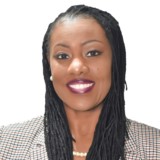
Rena Douse, DNP
- CEO
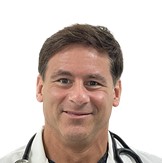
Michael Adams, MD
- CMO
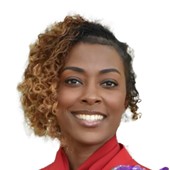
Kearra McKinney, MD
- CCO