Qin Wang, MD, PhD

Professor, Neuroscience & Regenerative Medicine
Georgia Research Alliance Eminent Scholar in Neurodegeneration.
Inaugural Director of the Program for Alzheimer’s Therapeutic Discovery.
Mailing Address:
Department of Neuroscience & Regenerative Medicine
1120 15th Street, Rm. CA3002
Medical College of Georgia Augusta University
Augusta, GA 30912
Phone: 706-721-0700
E-mail: qiwang@augusta.edu
Other: Georgia Research Alliance
Education
1992 MD - Peking University Health Science Center (Bejing Medical University)
1999 PhD - University of Iowa, Ph.D. in Molecular Biology
Training
2000-2002- Postdoctoral Fellow, Vanderbilt University, Department of Pharmacology
Research interests:
Dr. Qin Wang's research interests revolve around investigating cell surface receptor signaling and neuropharmacology in the context of brain physiology and disease pathology. Her laboratory employs state-of-the-art techniques, including CRISPR editing, multiomic analysis, super-resolution imaging, pharmacological and behavioral approaches, as well as humanized animal models, human postmortem tissues, and iPSC-derived brain cells, to elucidate the molecular and cellular mechanisms underlying Alzheimer's disease (AD) and complex behaviors. Furthermore, the lab explores the therapeutic potential of targeting these mechanisms for disease treatment, with the ultimate goal of translating their fundamental discoveries into novel clinical applications.
One of the primary focuses of Dr. Wang's lab is AD, a multifaceted disease that involves numerous genetic and environmental factors. Her lab employs a multifaceted approach to address this complexity, with a particular emphasis on the following areas: 1) exploring the contribution of noradrenergic dysfunction to AD pathogenesis; 2) investigating alterations in endosomal trafficking in AD and the interactions between AD risk factors; 3) elucidating the role of astrocytic signaling and reactivity in AD progression; 4) examining the relationship between AD risk and cancer therapies, as well as congenital heart diseases; 5) developing treatments for AD by targeting neuronal hyperexcitability.
Current Projects:
Some of our focus are:
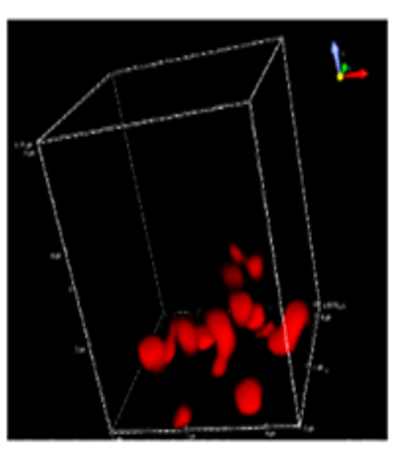
1. Molecular and cellular mechanisms underlying Alzheimer’s disease (AD) pathogenesis
a) noradrenergic dysfunction and adrenergic signaling in AD;
b) regulation of endosomal trafficking and its involvement in AD pathogenesis;
c) astrocyte reactivity in AD;
d) tumors and related therapies as risk factors for AD.
2. Cognition and complex behaviors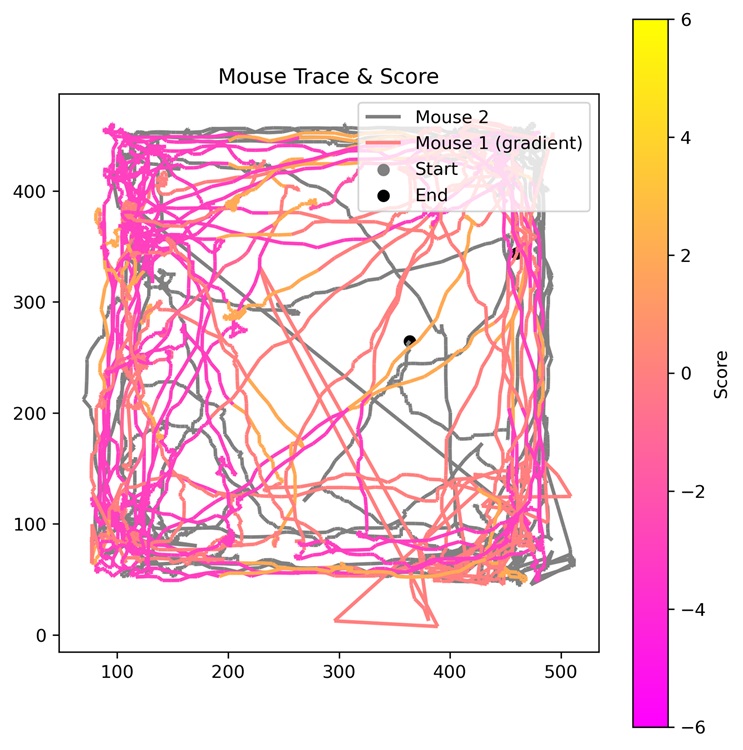
a) synaptic signaling in autism;
b) epigenetic regulation of anxiety and
c) a novel mouse model for ADHD.
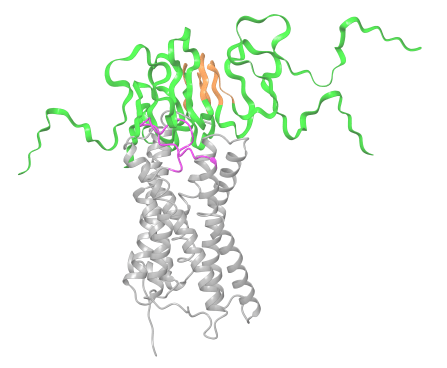
3. Selective targeting of GPCRs
a) neural-specific enhancement of adenosine receptor for neuroprotection;
b) signaling-specific targeting of adrenergic receptor for AD.
Lab Members
Shalini Saggu, PhD - Assistant Professor
Andrey Bombin, PhD - Research Scientist
Cynthia Martin-Jimenez, PhD - Postdoctoral Fellow
Yeimy Gonzalez Giraldo, PhD - Postdoc Fellow
Emily Dew, Graduate Student
Mae Aida, Graduate Student
Evan Rhys Andrews, Research Assistant
Feng Zhou, PhD - Research Associate
Megan Roka - BS/MD student,
Evelyn Farkas - MD/PhD Program Graduate Student,
Michael Phan - Medical Student,
Alex Greco - Research Assistant,
Sarah Kim - BS/MD student,
Meenakshi Buramshetty - Undergraduate Student
Open Positions
Multiple NIH-funded postdoctoral positions are available for motivated and creative postdoctoral fellows to study disease mechanisms at molecular, cellular and system levels and to identify novel therapeutic strategies for neurological disorders. Excellent research techniques in biochemistry and molecular biology are preferred.
Prior experience with brain research and skills in computation are valued. Candidates with biochemistry, cell biology and/or neurobiology backgrounds are encouraged to apply. The laboratory focuses on translational research in synaptic signaling and neuropharmacology.
The postdoctoral fellow will have opportunities to conduct the innovative research projects with state-of-the-art technologies and model systems, such as CRISPR gene editing, single-cell RNA-Seq, super-resolution imaging, AI-aided design and analysis, patient-derived iPSCs and humanized mouse models.
The fellow will be given opportunities to apply for training grants and encouraged to pursue independent research career, with a strong support from the mentor.
Postdoctoral Fellows:
We seek postdoctoral fellows interested in studying Alzheimer’s disease. The candidates
will hold a PhD or MD or equivalent in neuroscience, physiology, molecular/cell biology,
biochemistry or neuropharmacology. Expertise in molecular biology and biochemistry
is desirable. Candidates are expected to have good communication skills and have a
strong drive for building a successful research career.
Graduate Students:
We welcome graduate students and are interested in potential rotation students. Prospective
students can apply to our lab through the Graduate Program in Neuroscience as well
as through the MD/PhD Program.
Undergraduate Students and medical students:
We accept motivated undergraduate students and medical students who are interested
in biomedical research.
Media Coverage
Qin Wang Elected as Chair of the Division for Neuropharmacology.
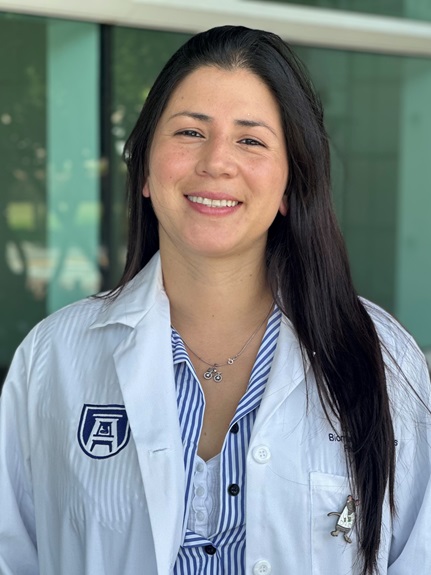
Cynthia Martin-Jimenez Receives the Postdoctoral Fellowship Grant Award from Alzheimer's Association.
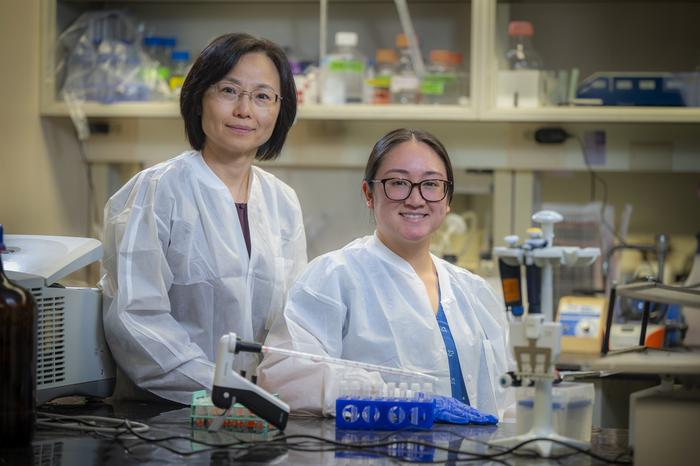
MCG scientists working to understand why men with prostate cancer are at higher risk of Alzheimer’s
MCG scientists working to understand why men with prostate cancer are at higher risk of Alzheimer’s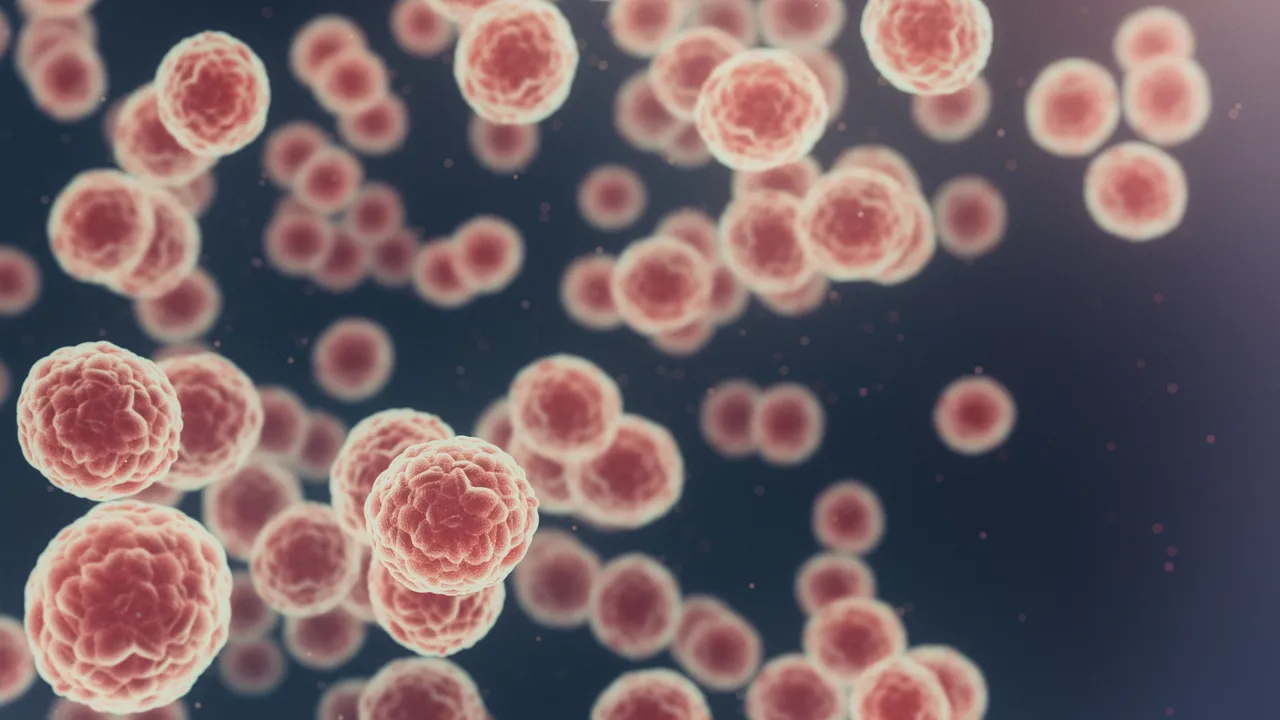
Hormone Therapy for Prostate Cancer May Increase Alzheimer’s Risk
Hormone Therapy for Prostate Cancer May Increase Alzheimer’s Risk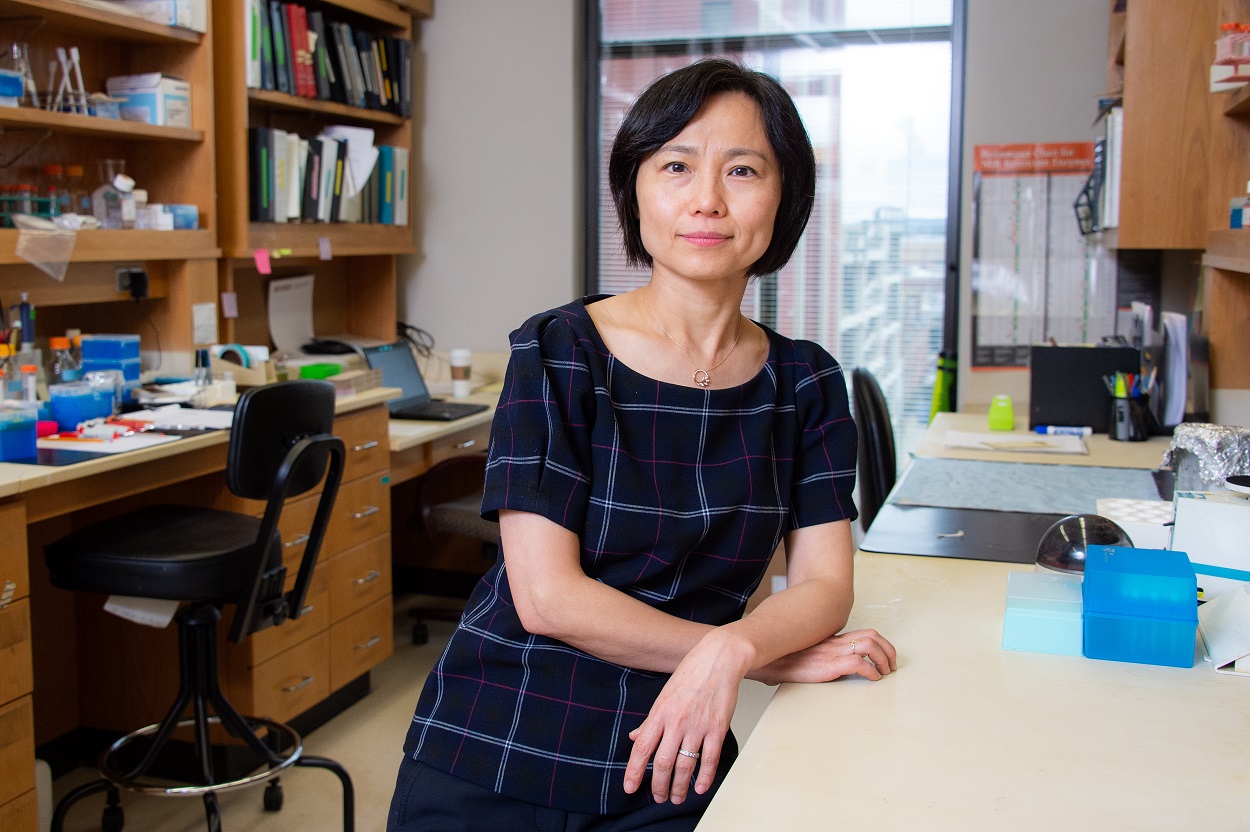
Dr. Qin Wang will lead new Program for Alzheimer’s Therapeutics Discovery at MCG
Dr. Qin Wang will lead new Program for Alzheimer’s Therapeutics Discovery at MCG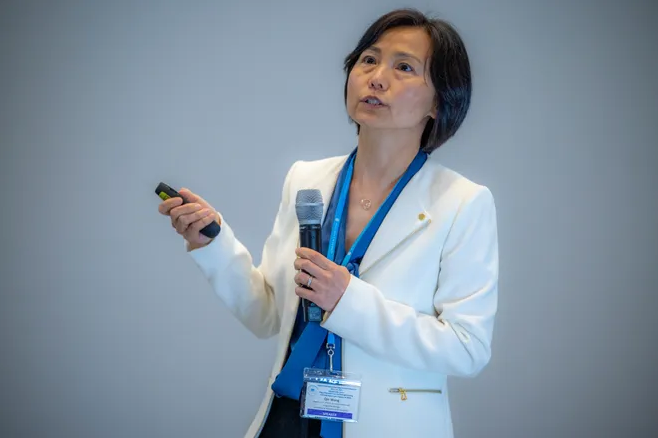
Potential drug for Alzheimer's disease could block early damage, MCG researcher says
Potential drug for Alzheimer's disease could block early damage, MCG researcher says
News Media Coverage
MCG scientists investigate arthritis drug’s impact on Alzheimer’s disease
According to the Alzheimer’s Association, more than 7 million Americans are living with Alzheimer’s disease, and one in nine of those people is 65 or older. Although that number is expected to grow, researchers at the Medical College of Georgia at Augusta University are making progress on studies that could turn into life-saving treatments.
Read full story: MCG scientists investigate arthritis drug’s impact on Alzheimer’s diseaseScientists aim to understand why men with prostate cancer are at higher risk of Alzheimer's
Researchers at the Medical College of Georgia at Augusta University are searching for a better way to understand why many men with prostate cancer end up with Alzheimer's disease, and whether it's the standard hormone therapy treatment or an overactive immune response that actually contributes to the problem.
Read full story: Scientists aim to understand why men with prostate cancer are at higher risk of Alzheimer'sStudy explores link between prostate cancer treatment and Alzheimer’s disease
Researchers at the Medical College of Georgia at Augusta University are searching for a better way to understand why many men with prostate cancer end up with Alzheimer's disease, and whether it's the standard hormone therapy treatment or an overactive immune response that actually contributes to the problem. The hormone therapy, androgen deprivation therapy, known as ADT, treats the cancer by reducing testosterone, which the cancer needs to grow. But androgen is a key regulator of amyloid metabolism and when it's removed from the equation, more amyloid is left to form the plaques that are a hallmark of Alzheimer's.
Read full story: Study explores link between prostate cancer treatment and Alzheimer’s diseaseBlood pressure drug holds promise for treating PTSD
AUGUSTA, Ga. (Jan. 5, 2023) – There is new evidence that a 50-year-old blood pressure drug could find new purpose as a treatment to mitigate the often life-altering effects of increasingly prevalent PTSD, scientists say.
Read full story: Blood pressure drug holds promise for treating PTSDBlood pressure drug holds promise for treating PTSD
There is new evidence that a 50-year-old blood pressure drug could find new purpose as a treatment to mitigate the often life-altering effects of increasingly prevalent PTSD, scientists say.
Read full story: Blood pressure drug holds promise for treating PTSD50 year old blood pressure drug offers alternative treatment for PTSD
Bit Bio NEWS 50 year old blood pressure drug offers alternative treatment for PTSD US scientists offer a new purpose for the blood pressure drug clonidine as a treatment to reduce the affects of PTSD. PTSD Scientists at the Medical College of Georgia at Augusta University, US, have new evidence that a 50 year old blood pressure drug could find new purpose as a treatment to mitigate the affects of increasingly prevalent PTSD.
Read full story: 50 year old blood pressure drug offers alternative treatment for PTSDStudy: Clonidine Blood Pressure Medication Could Be Used to Treat PTSD
New evidence suggests that clonidine, a blood pressure medication, could be used to mitigate the effects of post-traumatic stress disorder (PTSD), according to a study published in Molecular Psychiatry.
Read full story: Study: Clonidine Blood Pressure Medication Could Be Used to Treat PTSDA peptide blocking the ADORA1-neurabin interaction is anticonvulsant and inhibits epilepsy in an Alzheimer’s model
Read full story: A peptide blocking the ADORA1-neurabin interaction is anticonvulsant and inhibits epilepsy in an Alzheimer’s model
Peptide delivered by nasal spray can reduce seizure activity, protect neurons in Alzheimer’s, epilepsy
Read full story: Peptide delivered by nasal spray can reduce seizure activity, protect neurons in Alzheimer’s, epilepsy
Augusta University doctor makes breakthrough in Alzheimer's research
Read full story: Augusta University doctor makes breakthrough in Alzheimer's research
Researchers at UAB develop possible breakthrough for Alzheimer's
Read full story: Researchers at UAB develop possible breakthrough for Alzheimer's
Possible missing link in Alzheimer's pathology identified
Read full story: Possible missing link in Alzheimer's pathology identified
Pathogenic Alzheimer’s disease cascade is activated by faulty norepinephrine signaling
Read full story: Pathogenic Alzheimer’s disease cascade is activated by faulty norepinephrine signaling
Pathogenic Alzheimer's disease cascade is activated by faulty norepinephrine signaling
Read full story: Pathogenic Alzheimer's disease cascade is activated by faulty norepinephrine signaling
With a Shot of Adrenaline, Amyloid-β Sparks Tau Cascade
Read full story: With a Shot of Adrenaline, Amyloid-β Sparks Tau Cascade
β-amyloid redirects norepinephrine signaling to activate the pathogenic GSK3β/tau cascade
Read full story: β-amyloid redirects norepinephrine signaling to activate the pathogenic GSK3β/tau cascade
Selected Publications
Saggu S, Bai A, Aida M, Rehman H, Pless A, Ware D, Deak F, Jiao K, Wang Q (2025) Monoamine alterations in Alzheimer’s disease and their implications in comorbid neuropsychiatric symptoms. GeroScience. 47(1):457-482.
Saggu S, Pless A, Dew E, Ware D, Jiao K, and Wang Q (2025) Monoamine Signaling and Neuroinflammation: Mechanistic Connections and Implications
for Neuropsychiatric
Disorders. Front. Immunol. Volume 16 - 2025 | doi: 10.3389/fimmu.2025.1543730.
Rehman H, Yan S, Saggu S, Aida M, Zhang F, Shu Y, Jones A, Trang A, Dew E., Zhi W.,
Claeboe ET, Baucum AJ, Wu G, Jiao K, Wang Q (2025) The PKCi-β-arrestin2 axis disrupts
SORLA retrograde trafficking, driving its degradation and amyloid pathology in Alzheimer’s
disease. Mol Neurodegener. 20:76.
Zhang C, Aida M, Saggu S, Yu H, Zhou L, Jiao K, Liu R, Wang L, Wang Q (2024) Androgen deprivation therapy exacerbates Alzheimer's associated cognitive decline via increased brain immune cell infiltration. Sci. Adv. Jun 21;10(25):eadn8709.
Pless A, Ware D, Saggu S, Rehman H, Morgan J, Wang Q. (2023) Understanding neuropsychiatric symptoms in Alzheimer's disease: challenges and advances in diagnosis and treatment. Front Neurosci. 2023;17:1263771.
Qin H, Zhou L, Haque F, Martin-Jimenez C, Trang A, Benveniste E, Wang Q. (2023) Diverse Signaling Mechanisms and Heterogeneity of Astrocyte Reactivity in Alzheimer’s Disease. J Neurochem. 168(10):3536-3557.
Saggu S, Chen Y, Wang H, Cottingham C, Zhang S, Augelli-Szafran C, Jiao K, Lu X and Wang Q. (2022) Ligand-selective activation of cofilin leads to distinct regulation of fear memory reconsolidation by α2AR agonists. Mol Psychiatry. 2023 Feb;28(2):588-600.
Li S, Fang Y, Zhang Y, Song M, Zhang X, Ding X, Yao H, Chen M, Sun Y, Ding J, Wang Q, Lu M, Wu G, Hu G (2022) Microglial NLRP3 inflammasome activates neurotoxic astrocytes in a mouse model of depression. Cell Rep. 41(4):111532. doi: 10.1016/j.celrep.2022.111532.
Saggu S, Chen Y, Pizarro D, Law W, Pati S, McMahon L, Jiao K and Wang Q (2022) Peptide blocker of the adenosine A1R-neurabin interaction displays strong anti-seizure effects and reduces epileptic activities in an Alzheimer’s model. JCI Insight. Jun 8;7(11):e155002. doi: 10.1172/jci.insight. 155002
Cunningham J, Sheppard LD, Listik E and Wang Q (2022) Self-paced five-choice serial reaction time-task for mouse behavior testing. bio-101. https://en.bio protocol.org/bio101/ e4388.
Hao X, Li Z, Li W, Katz J, Michalek S, Barnum SR, Pozzo-Miller L, Saito T, Saido T, Wang Q, Roberson ED, Zhang P. (2022) Periodontal Infection Aggravates C1q-Mediated Microglial Activation and Synapse Pruning in Alzheimer’s Mice. Frontiers in Immunology. 01 Feb. 2022.
Yan S, Thienthanasit R, Chen D, Engelen E, Bruhl J, Crossman D, Kesterson R, Wang Q, Bouazoune K, and Jiao K (2020) CHD7 regulates cardiovascular development through ATP–dependent and -independent activities. Proc Natl Acad Sci, 117:28847-28858.
Zhang Y, Song L, Dong H, Kim D, Sun Z, Boger H, Wang Q and Wang H. (2020) Spinophilin -deficient mice are protected from diet-induced obesity and insulin resistance. AJP-Endocrinology and Metabolism. 319: E354–E362.
Kumar SNK, Devarajan A, Karan G, Suresh S, Wang Q, van Groen T, del Monte F, Rajasekaran NS. (2020) Reductive stress promotes protein aggregation and impairs neurogenesis. Redox Biol. 37:101739.
Zhang F, Gannon M, Chen Y, Yan S, Zhang S, Feng W, Tao J, Sha B, Liu Z, Saito T, Saido T, Keene CD, Jiao K, Roberson ED, Xu H, and Wang Q (2020) Amyloid β rewires norepinephrine signaling to activate the pathogenic GSK3β/tau cascade. Science Transl Med. Vol. 12, Issue 526, eaay6931.
Gannon M, Wang Q (2019). Complex Noradrenergic Dysfunction in Alzheimer's Disease: Low Norepinephrine Input is Not Always to Blame. Brain Res. 1702, 12-16.
Yim Y, Betke K, McDonald WH, Gilsbach R, Chen Y, Hyde K, Wang Q, Hein L, and Hamm H (2019) The in vivo specificity of synaptic Gβ and Gγ subunits to the α2a adrenergic receptor at CNS synapses. Sci Rep. 9:1718.
Cottingham C, Che P, Zhang W, Wang H, Wang RX, Percival S, Birky T, Zhou L, Jiao K and Wang Q (2017) Diverse arrestin-recruiting and endocytic profiles of tricyclic antipsychotics acting as direct a2A adrenergic receptor ligands. Neuropharmacology, 116, 38-49.
Reyes B, Carvalho AF, Szot P, Kalamarides D, Wang Q, Kirby L, Van Bockstaele E (2017) Cortical adrenoceptor expression, function and adaptation under conditions of cannabinoid receptor deletion. Exp Neurol., 292, 179-192.
Chen Y, Booth C, Wang H, Wang RX, Terzi D, Zachariou V, Zhang J, Jiao K and Wang Q (2017) Effective attenuation of adenosine A1R signaling by neurabin requires neurabin oligomerization. Mol Pharm. 92, 630-639.
Scarduzio M, Zimmerman CN, Jaunarajs KL, Wang Q, Standaert DG and McMahon L (2017) Elevated striatal cholinergic tone drives dopamine D2 receptor mediated paradoxical excitation of cholinergic interneurons in DYT1 dystonia. Exp Neurol. 295, 162-175.
Zhang F, Gannon M, Chen Y, Zhou L, Jiao K and Wang Q (2017) The amyloid precursor protein modulates α2A adrenergic receptor endocytosis and signaling through disrupting arrestin 3 recruitment. FASEB J. 31, 4434-4446.
Wu H, Cottingham C, Wang H, Che P, Wang RX, Jiao K and Wang Q (2017) Age-dependent differential regulation of anxiety- and depression-related behaviors by neurabin and spinophilin. PLoS One. 12(7):e0180638.
Chen Y, Peng Y, Che P, Gannon M, Liu Y, Li L, Bu G, van Groen T, Jiao K and Wang Q (2014) alpha2A adrenergic receptor promotes amyloidogenesis through disrupting APP-SorLA interaction. Proc Natl Acad Sci, 111, 17296-17301.
Wang Q, Zhao J, Brady AE, Feng J, Allen PB, Lefkowitz RJ, Greengard P and Limbird LE (2004) Spinophilin blocks arrestin actions in vitro and in vivo at G protein-coupled receptors. Science 304, 1940-1944 (Research Article).