Student PSA Project | Fall 2025
Skin Cancer
Skin cancer is the most common cancer in the U.S., but many cases can be prevented.
Everyone with skin is at risk for skin cancer and 1 in 5 Americans will be diagnosed with skin cancer in their lifetime. Most cases of skin cancer are caused by exposure to ultraviolet rays (UV), either from the sun or from tanning beds. You can help protect your skin from UV and reduce your risk for skin cancer by wearing sunscreen and sun protective clothing; avoiding sun exposure between 10am-4pm; and not using tanning beds.
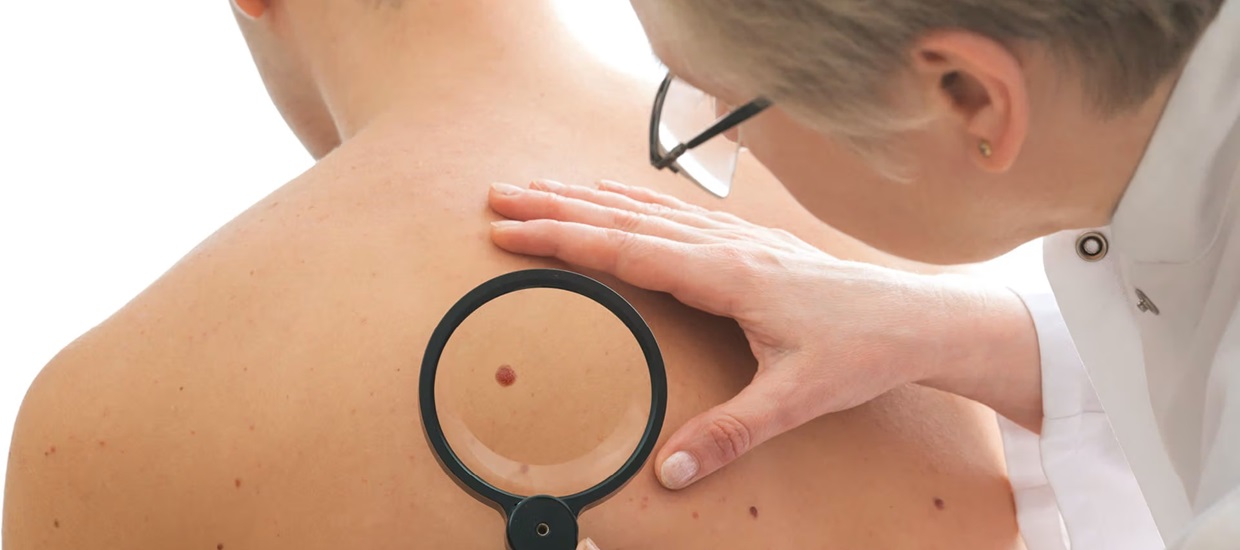
Skin cancer can look very different from one person to another. If you notice any change in your skin, it is important to get it checked by a dermatologist. When found early, many skin cancers are highly treatable.
The goal of this semester’s project is to persuade someone to protect their skin from UV exposure.
Category:Best MessageStorytelling
Best Message
1st: Don’t Cook Your Skin | Brandon Barton
“Don’t Cook Your Skin” was produced by Brandon Barton for an experiential learning project organized by the Georgia Cancer Center and the Comm 3030 Audiovisual Communication course. A panel of judges with expertise in communications, video production, and public health selected Brandon’s video as the winner of the Best Message category.
Storytelling
1st: The Unexpected Consequence| Olivia Orzenski, Hannah Petty, & Claire Binger
“The Unexpected Consequence” was produced by Olivia Orzenski, Hannah Petty, and Claire Binger for an experiential learning project organized by the Georgia Cancer Center and the Comm 3030 Audiovisual Communication course. A panel of judges with expertise in communications, video production, and public health selected Olivia, Hannah, and Claire’s video as the winner of the Storytelling category.